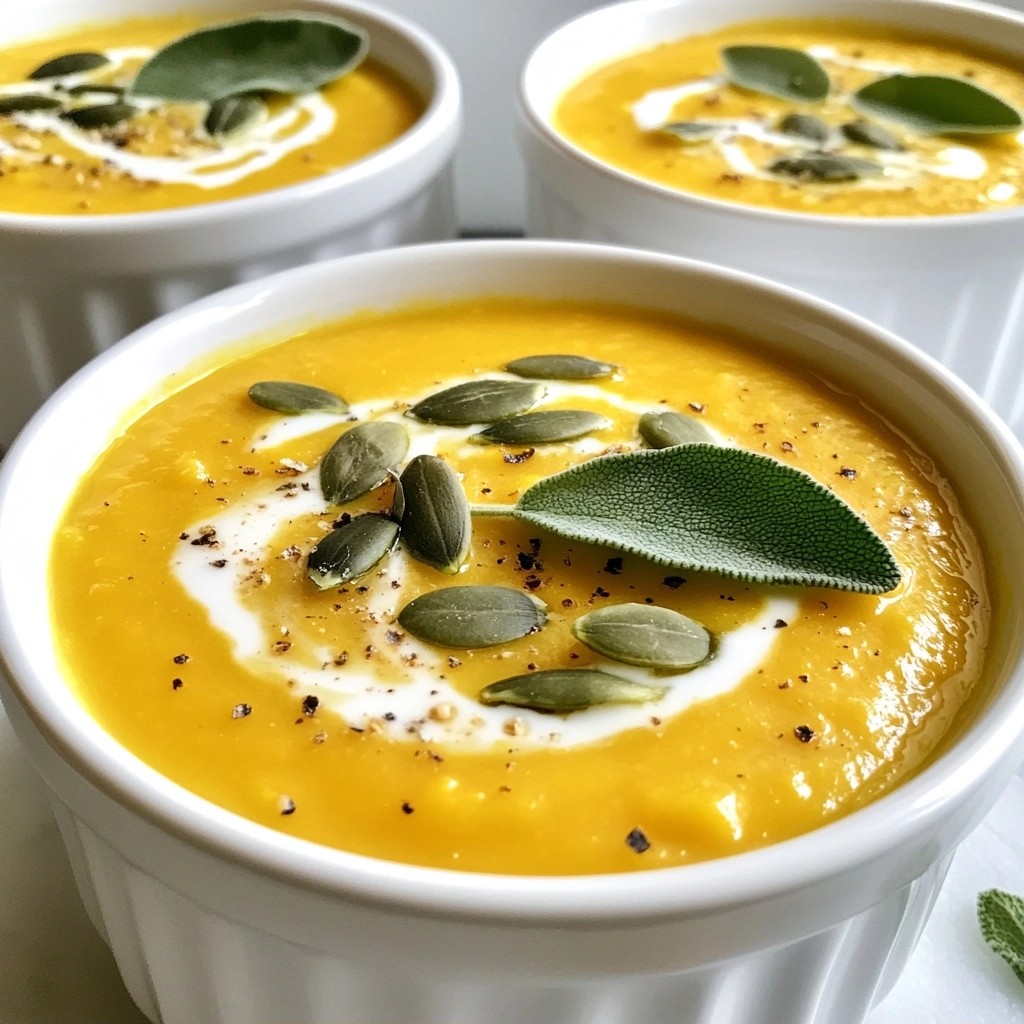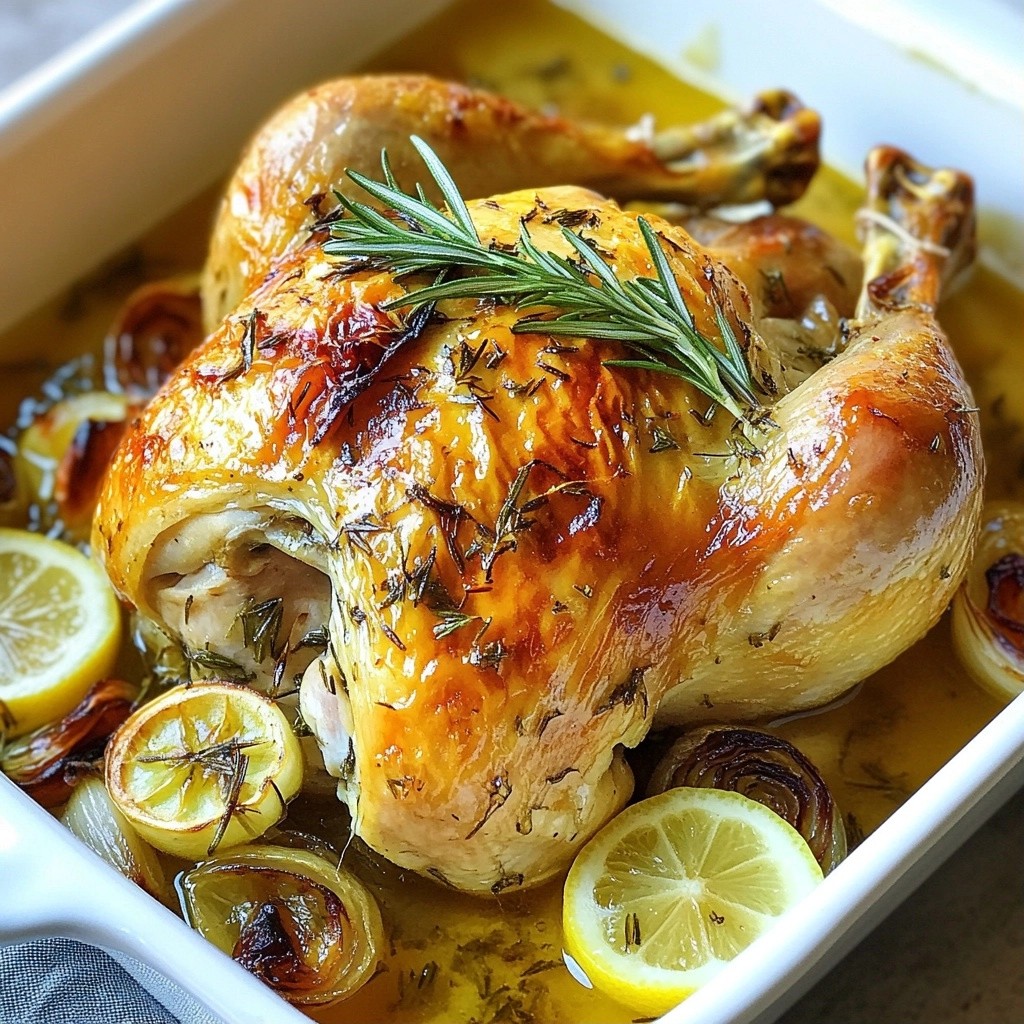
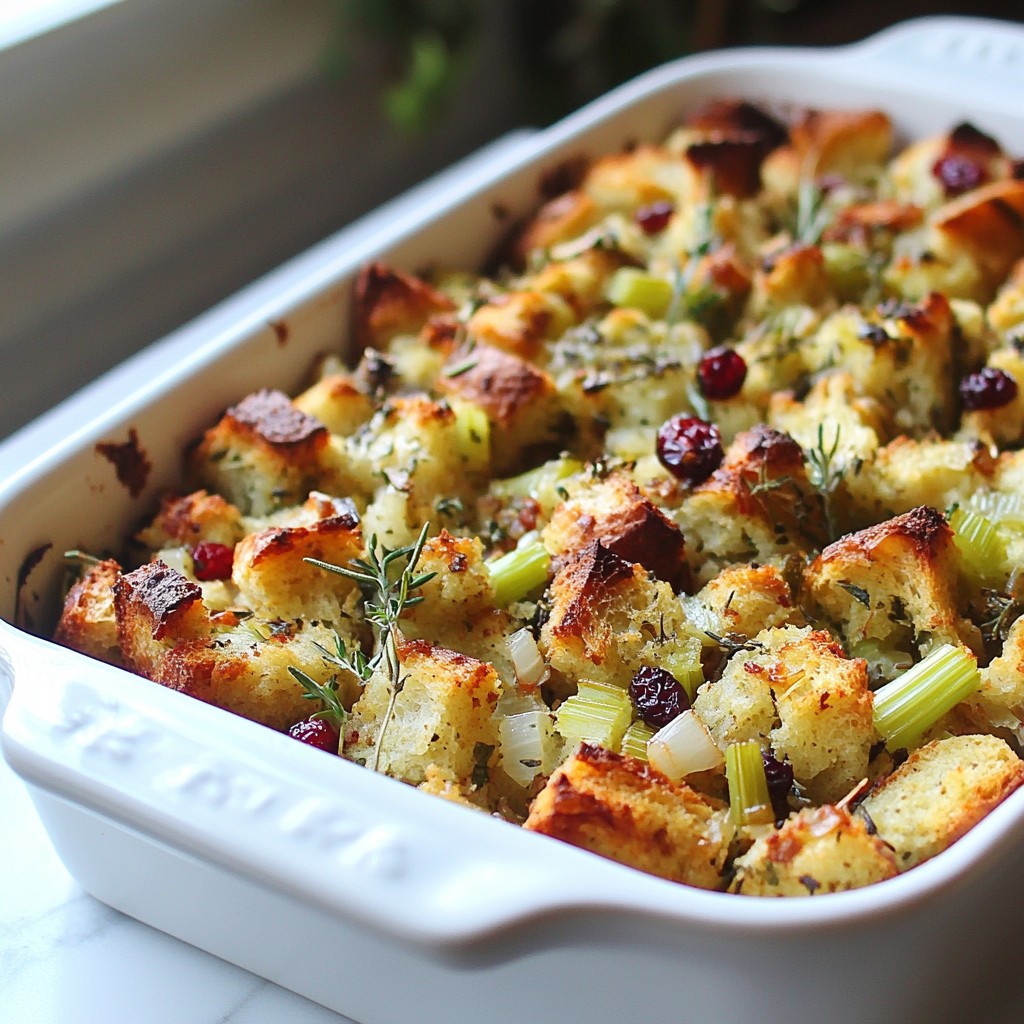
Thanksgiving is all about family, friends, and great food. This year, make your meal special with my Savory Thanksgiving Herb-Infused Stuffing Recipe. Using simple ingredients like day-old artisan bread, fresh herbs, and aromatics, I’ll guide you through an easy step-by-step process. You’ll learn tips to boost flavor and texture, plus creative variations to suit any taste. Let’s dive into making a stuffing that steals the show!
Why I Love This Recipe
- Comforting Flavor: This stuffing is packed with savory herbs that create a warm, inviting flavor profile perfect for Thanksgiving.
- Customizable Ingredients: You can easily adjust the recipe by adding your favorite ingredients like nuts or different vegetables.
- Easy Preparation: The step-by-step instructions make it simple to prepare, even for novice cooks!
- Perfect for Leftovers: This stuffing reheats beautifully, making it a fantastic option for post-Thanksgiving meals.
Ingredients
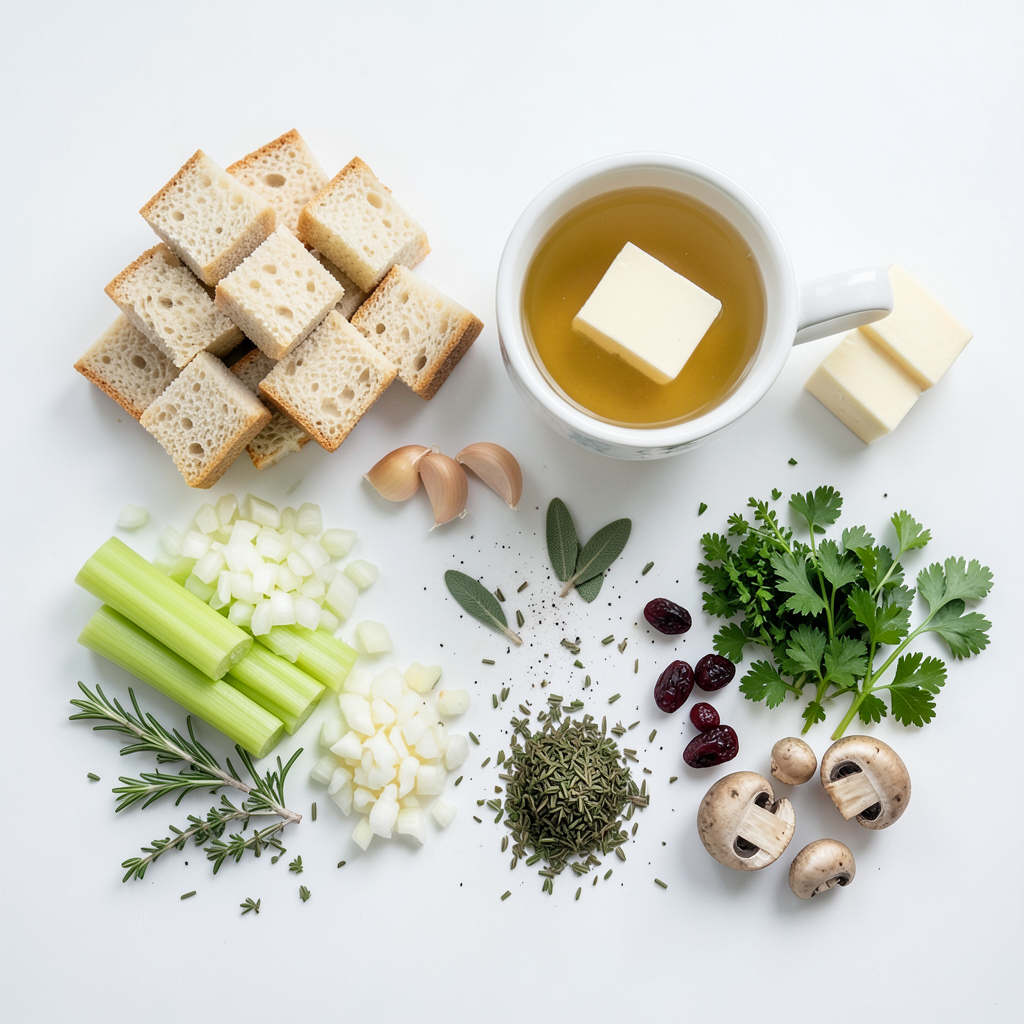
List of Main Ingredients
- 1 loaf of day-old artisan bread, cubed
- 1 onion, finely chopped
- 2 celery stalks, finely chopped
- 3 cloves garlic, minced
- 1 cup vegetable or chicken broth
- 1/2 cup unsalted butter
- 1 tablespoon fresh sage, chopped
- 1 tablespoon fresh thyme, chopped
- 1 tablespoon fresh rosemary, chopped
- 1/4 cup parsley, chopped
- Salt and pepper to taste
Optional Ingredients
- 1 cup chopped mushrooms for added flavor
- 1/2 cup dried cranberries for sweetness
Step-by-Step Instructions
Preparation Steps
1. Preheat your oven. Set it to 350°F (175°C). This step is key for the perfect bake.
2. Gather your ingredients. You will need:
- 1 loaf of day-old artisan bread, cubed
- 1 onion, finely chopped
- 2 celery stalks, finely chopped
- 3 cloves garlic, minced
- 1 cup vegetable or chicken broth
- 1/2 cup unsalted butter
- 1 tablespoon fresh sage, chopped
- 1 tablespoon fresh thyme, chopped
- 1 tablespoon fresh rosemary, chopped
- 1/4 cup parsley, chopped
- Salt and pepper to taste
- 1 cup chopped mushrooms (optional)
- 1/2 cup dried cranberries (optional)
3. Sauté the vegetables and herbs. In a large skillet, melt the butter over medium heat. Add the chopped onion and celery. Cook them for 5-7 minutes until soft. Next, add the minced garlic and mushrooms (if using). Sauté for another 2-3 minutes until fragrant. Stir in the chopped sage, thyme, rosemary, and parsley. Cook for another minute to release their amazing scents.
Mixing and Baking
1. Combine the bread with the sautéed mixture. In a large mixing bowl, add the cubed artisan bread. Pour the sautéed vegetable mixture over the bread. This will help the bread soak up all the flavors.
2. Add the broth. Pour the broth over the bread mixture. Gently toss everything together. Make sure the bread is coated but not mushy.
3. Season it. Add salt and pepper to taste. If you want a hint of sweetness, fold in the dried cranberries now.
4. Transfer and bake. Put the stuffing into a greased baking dish. Cover it with aluminum foil. Bake for 25 minutes. Remove the foil and bake for another 15-20 minutes. The top should turn golden brown and crispy.
This method will give you a stuffing that is both soft inside and crispy on top. Enjoy the aroma as it fills your kitchen!
Tips & Tricks
Flavor Enhancement Tips
To achieve the best herb infusion, use fresh herbs. The key is to sauté the herbs briefly in melted butter. This step helps release their oils. When you add them to the mix, they bring out strong flavors. You can also combine dried herbs if fresh ones aren't available. Just use about one-third of the amount.
Balancing saltiness and sweetness is crucial. Use unsalted butter to control the salt level. For a touch of sweetness, add dried cranberries. They complement the herbs well. Taste your mixture before baking. Adjust salt and pepper as needed.
Texture Tips
Ensuring even baking is vital for a great texture. Spread the stuffing evenly in the baking dish. Cover it with foil for the first part of baking. This way, it cooks through without burning. After 25 minutes, remove the foil. This will help create a crispy top.
For a soft interior, avoid overmixing the bread and broth. You want the bread to soak up the broth but not turn mushy. A good rule is to toss gently until just combined. This keeps some bread chunks intact, adding to the texture contrast.
Pro Tips
- Use Stale Bread: Day-old artisan bread is ideal for stuffing as it absorbs the broth without becoming too soggy.
- Herb Freshness: For the best flavor, use fresh herbs rather than dried. They add a vibrant aroma to your stuffing.
- Customize Ingredients: Feel free to add your favorite ingredients like sausage or nuts for added texture and flavor.
- Make Ahead: You can prepare the stuffing a day in advance and store it in the fridge. Just bake it right before serving!
Variations
Ingredient Variations
You can make this stuffing gluten-free. Use gluten-free bread instead of artisan bread. Make sure to check the label for certified gluten-free options. You can also mix in nuts for some crunch. Walnuts or pecans add great texture.
Adding other vegetables is a fun twist. Try carrots or bell peppers for extra flavor. You can chop these fine and sauté them with the onion and celery. This will boost the veggie taste in your stuffing.
Flavor Variations
Want to add warmth? Try spices like nutmeg or paprika. They give a cozy feel to your dish. Just a pinch can change the whole flavor.
For a holiday twist, add seasonal fruits. Chopped apples or pears can bring a sweet touch. Dried fruits like figs or apricots also work well. They add a nice contrast to the savory flavors.
Storage Info
Storing Leftovers
To store leftover stuffing, place it in an airtight container. Make sure to cool it first. This helps keep your stuffing fresh. Refrigerate it within two hours of cooking. Use the stuffing within three to four days for the best taste.
When you reheat the stuffing, add a splash of broth to keep it moist. Reheat in the oven at 350°F (175°C) for about 15-20 minutes. You can also use a microwave, but it might dry out. Stop and stir halfway through to keep it even.
Freezing Guidelines
If you want to freeze stuffing, cool it completely first. Place it in a container or freezer bag. Remove as much air as possible to prevent freezer burn. It can last up to three months in the freezer.
To thaw, place the stuffing in the fridge overnight. You can also reheat it directly from frozen. If doing that, add a bit more broth and bake at 350°F (175°C) for about 30-40 minutes. This helps keep the flavors and texture fresh after freezing.
FAQs
Common Questions
Can I make the stuffing ahead of time? Yes, you can make the stuffing a day before. Prepare it as directed and store it in the fridge. When ready, bake it just before serving. This helps the flavors blend well.
How do I adjust the recipe for a larger group? To serve more people, simply double the recipe. Use two loaves of bread and add more broth. Adjust the herbs and veggies in the same way. This keeps the taste balanced.
Ingredient Substitutions
What can I use instead of fresh herbs? If you don't have fresh herbs, use dried ones. Use one-third the amount of dried herbs. For example, use 1 teaspoon of dried sage instead of 1 tablespoon of fresh.
Can I use fresh bread instead of day-old? You can use fresh bread, but let it dry out a bit first. Cut it into cubes and leave it out for a few hours. This helps it soak up the broth better.
This blog post covered how to make delicious stuffing using simple ingredients. I shared the main ingredients like day-old artisan bread, fresh herbs, and optional flavors like mushrooms. You learned step-by-step instructions, plus tips to improve taste and texture. There are fun variation ideas too, like holiday flavors and gluten-free options. Lastly, I explained how to store and reheat leftovers. With these insights, you can create stuffing that everyone will love. Enjoy your cooking!